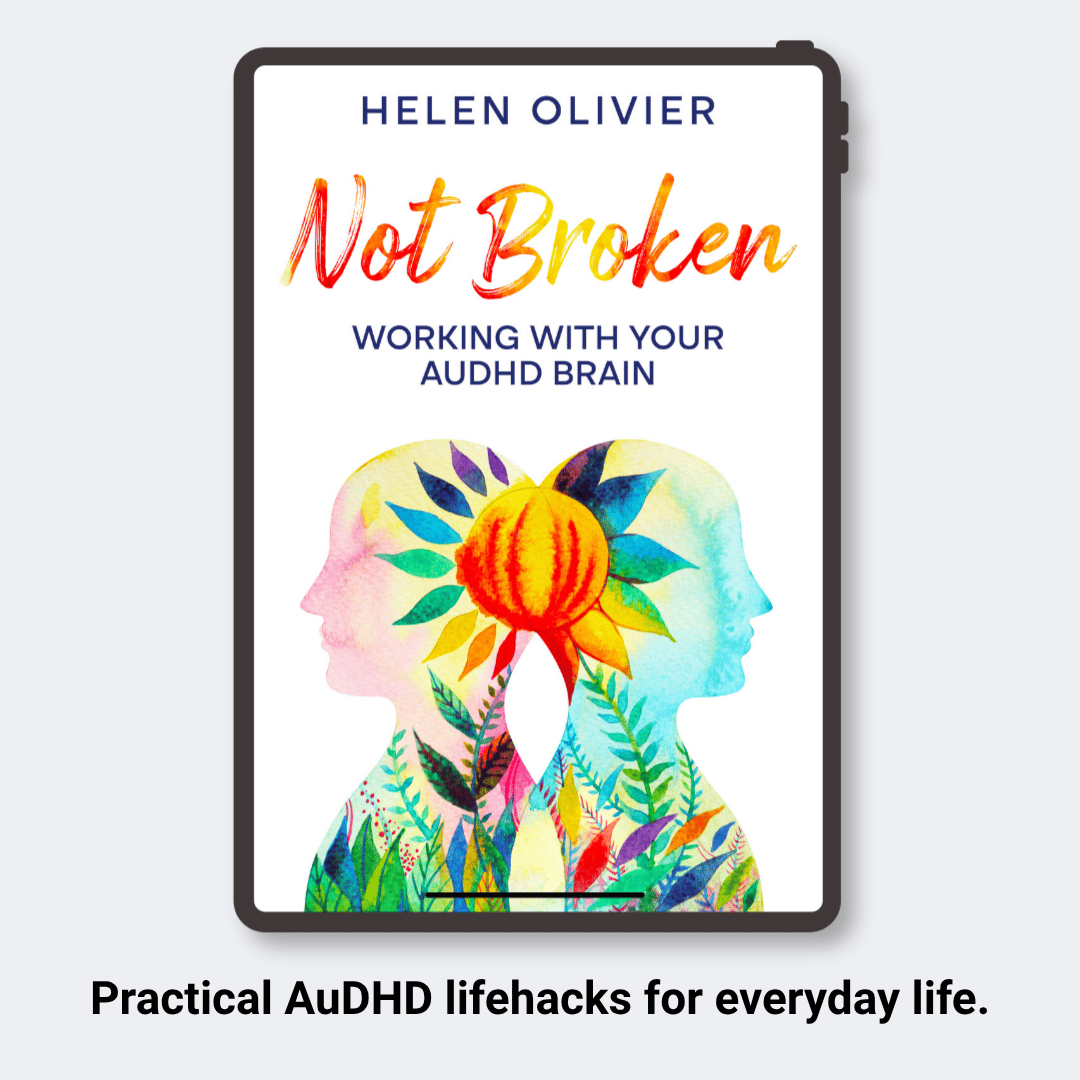
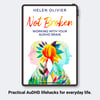
Not Broken: Working With Your AuDHD Brain
Practical AuDHD lifehacks for making everyday life easier
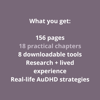
156 pages • 18 practical chapters • 8 ready-to-use tools
Research + lived experience + practical AuDHD lifehacks you can immediately try
What if you’re not failing at life?
What if you’ve just been trying to use strategies that were never designed for your brain?
Not Broken: Working With Your AuDHD Brain is a practical, personal guide for autistic ADHDers who are tired of being told to “just try harder” and want actual ideas for making everyday life a little easier.
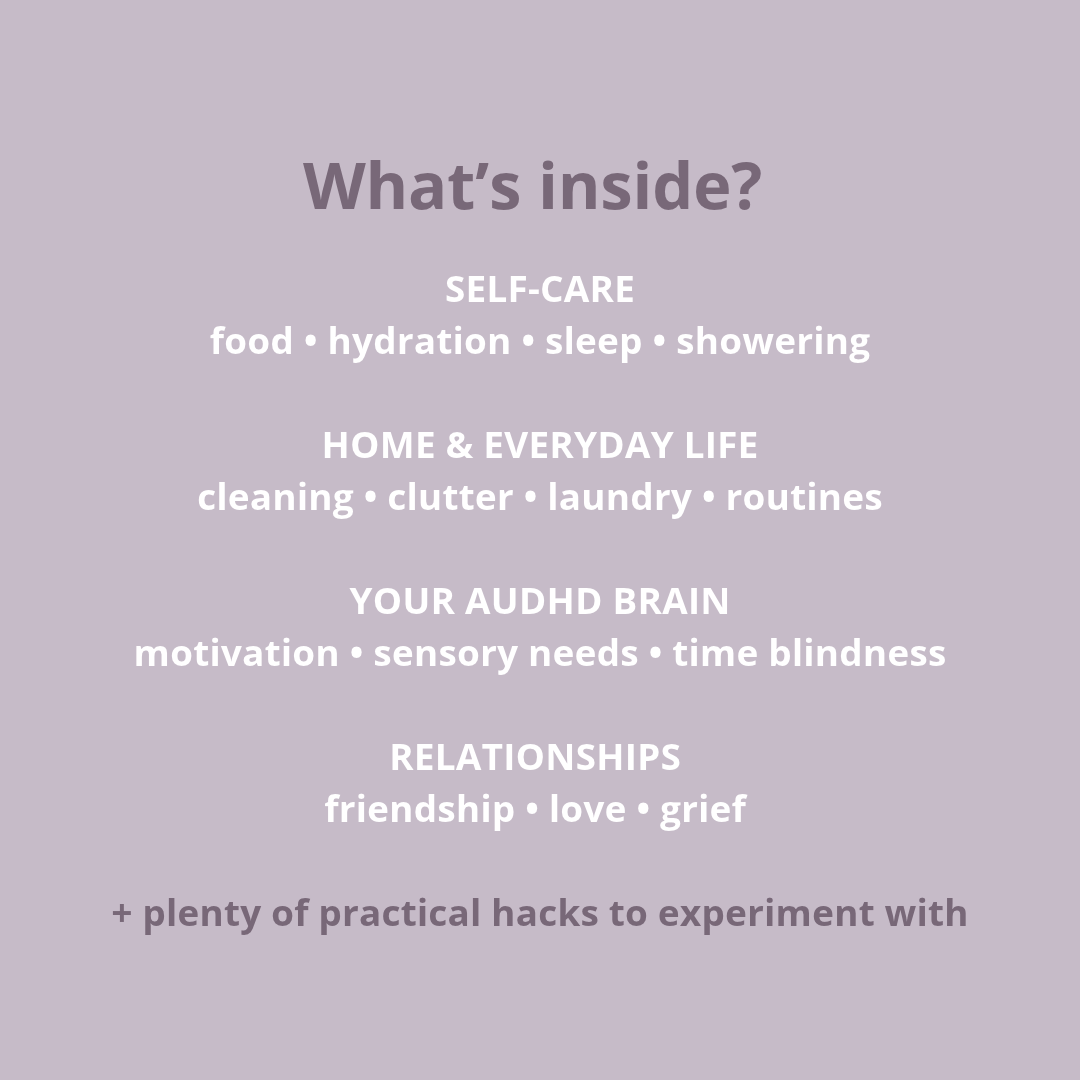
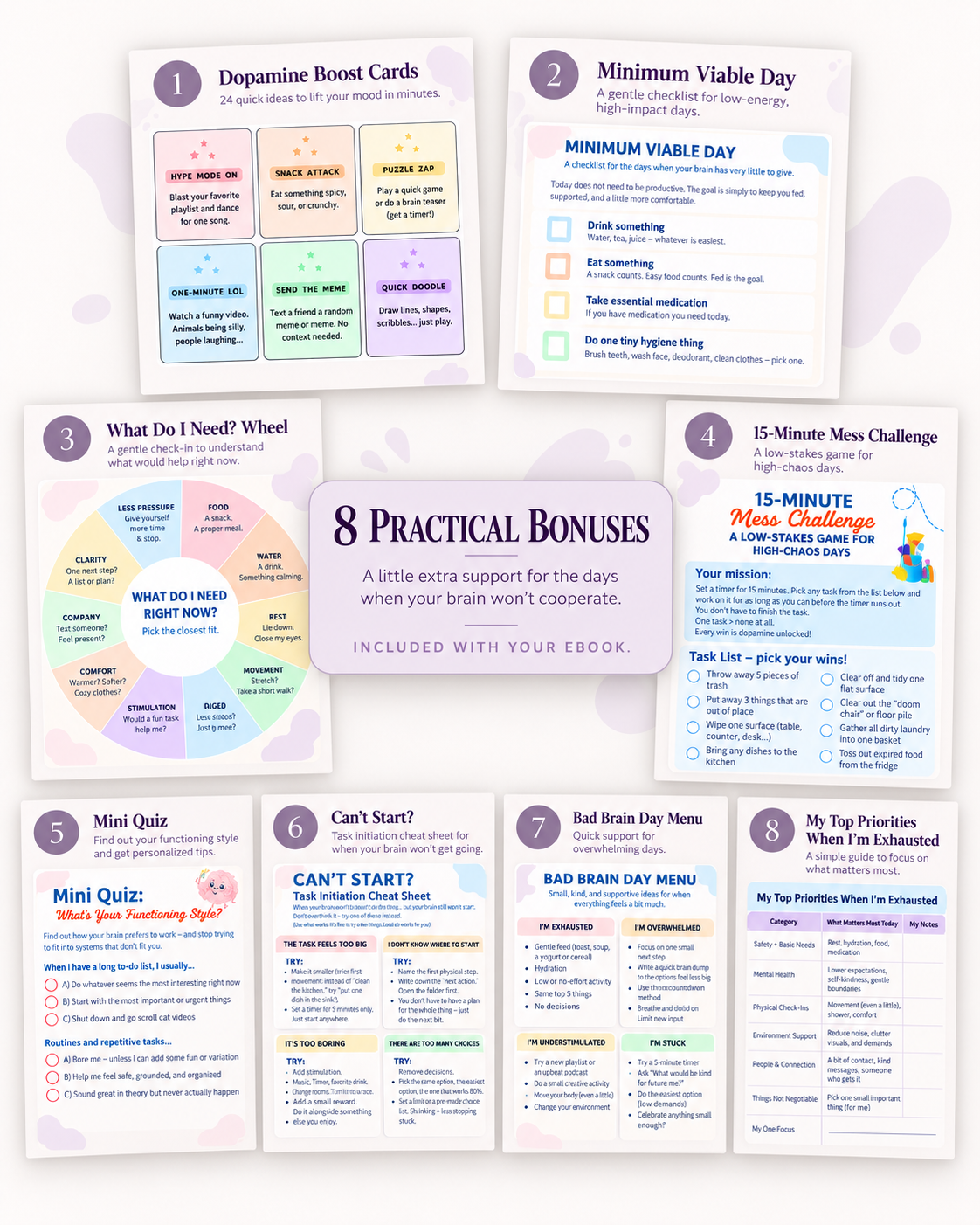
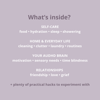
Inside, you’ll get 18 practical chapters covering everyday AuDHD life, plus 8 ready-to-use tools for things like getting started, low-energy days, motivation, clutter, and figuring out what your brain actually needs.
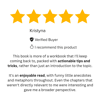
This book is more of a workbook that I'll keep coming back to, packed with actionable tips and tricks, rather than just an introduction to the topic. - Kristyna
Researching AuDHD became one of my special interests, and over time I collected a ridiculous number of tips, studies, ideas, and little experiments. Some came from research. Some came from the neurodivergent community. And some came from figuring out, through a lot of trial and error, what actually helps my own AuDHD brain.
This book brings the most useful ones together in one place.
What to expect from this book
It's an enjoyable read, with funny little anecdotes and metaphors throughout. - Kristyna
You probably won’t finish Not Broken and magically become a person who loves routines, never forgets anything, and keeps their home suspiciously tidy. (I certainly haven’t.)
But you may find a few tricks that make everyday life a little less exhausting. A way to get started when your brain says nope. A way to make showering less of a project. A way to stop rewashing the same load of laundry for the third time.
That’s what I want this book to help with.
Inside, we’ll talk about things like feeding yourself when cooking feels impossible, remembering to drink water, neurodivergent sleep, showering, autistic burnout and sensory needs, motivation, clutter, laundry, clothes, money, time blindness, friendships, relationships, bottom-up thinking, and plenty of small hacks you can experiment with in real life.
Some are very practical. Some are slightly weird.
You might end up racing a shower playlist, letting a cartoon bird bribe you into self-care, putting cleaning supplies in places that would horrify an organizing influencer, or deciding that “get the clothes out of the washer somehow” is a perfectly acceptable emergency laundry routine.
The author goes into quite some depth and shares personal experiences that make it relatable. - Kristyna
Take a peek inside
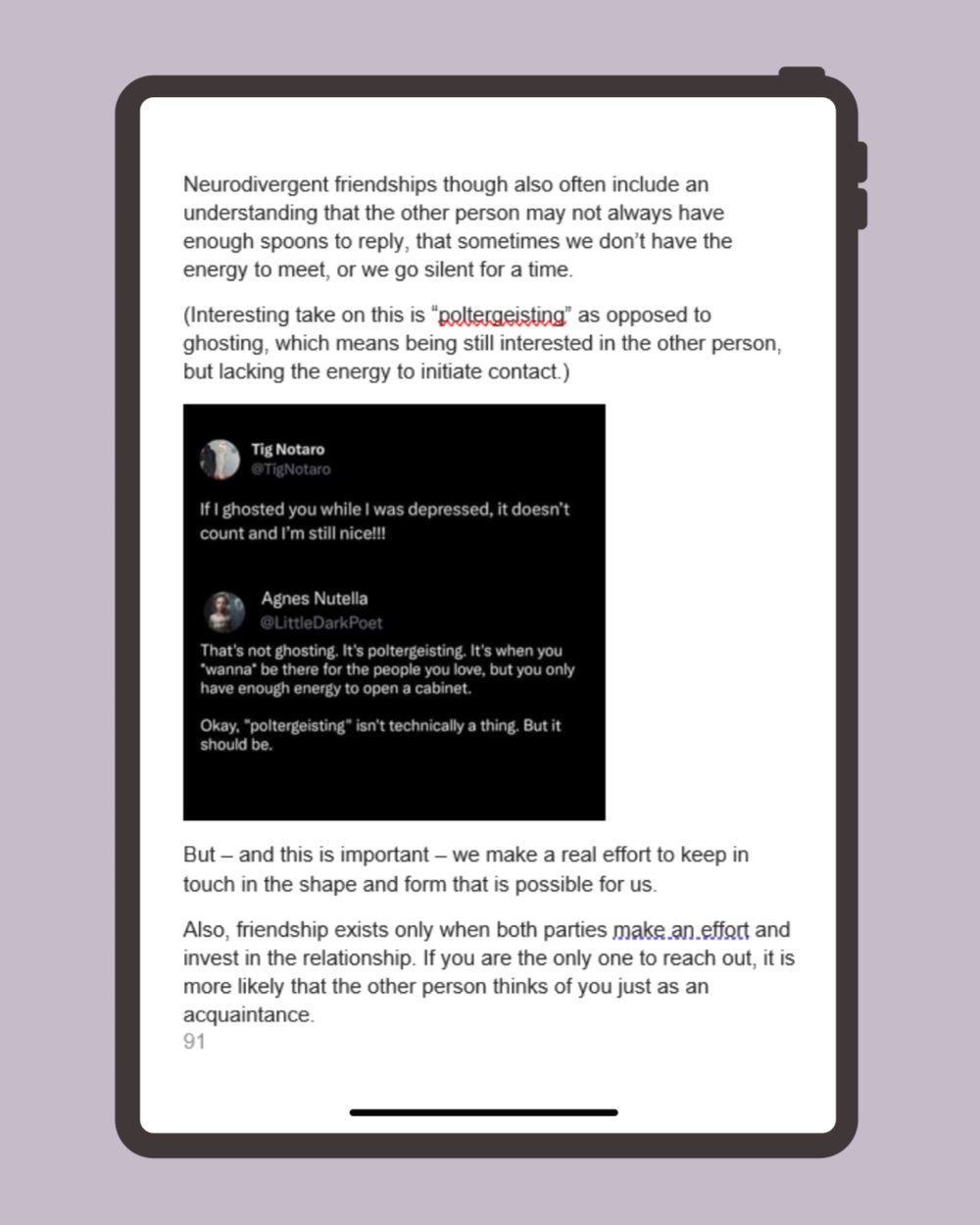
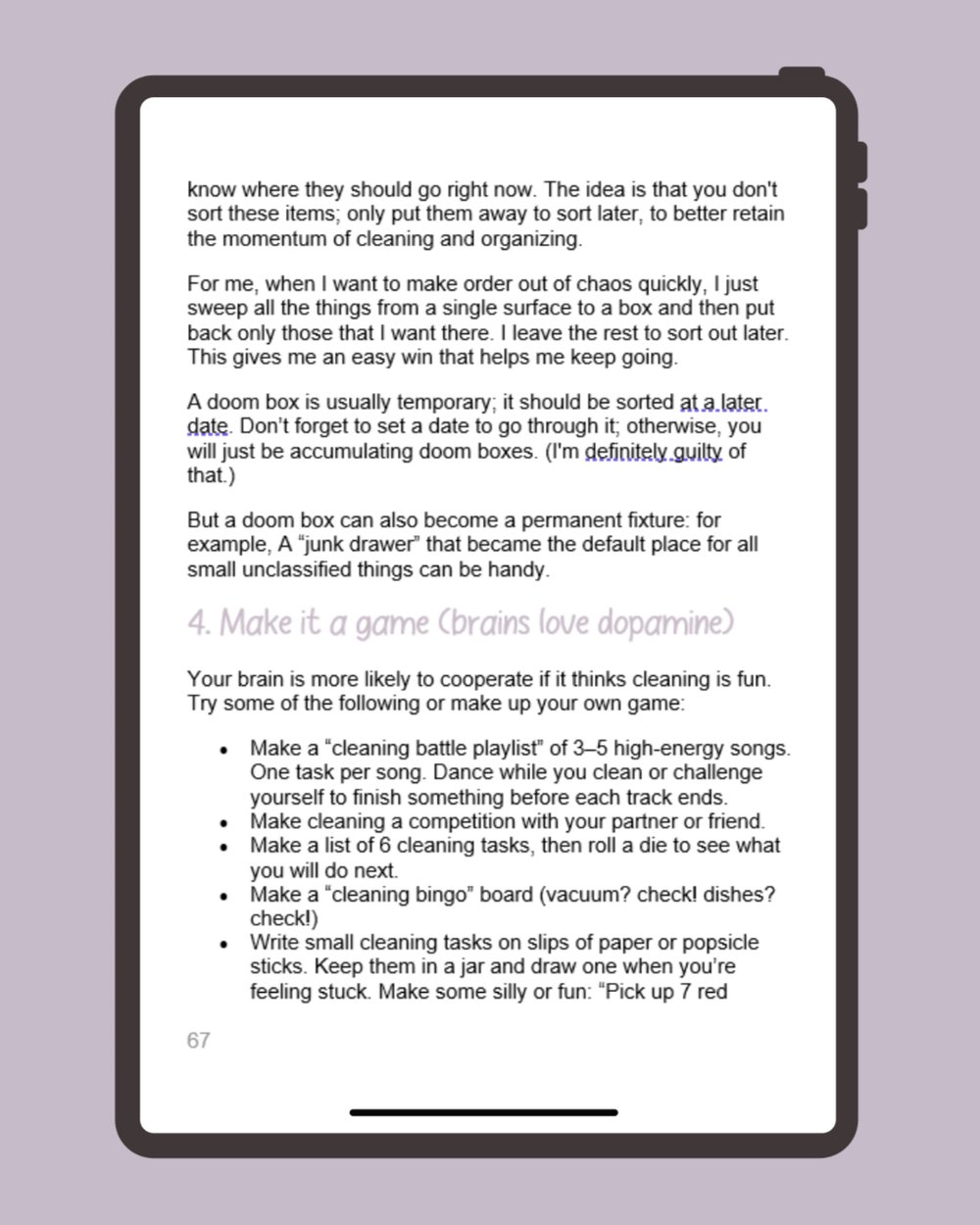
But wait... The book is only half of it!
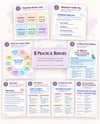
You also get 8 practical tools you can use on the days when reading another piece of advice is the last thing your brain needs.
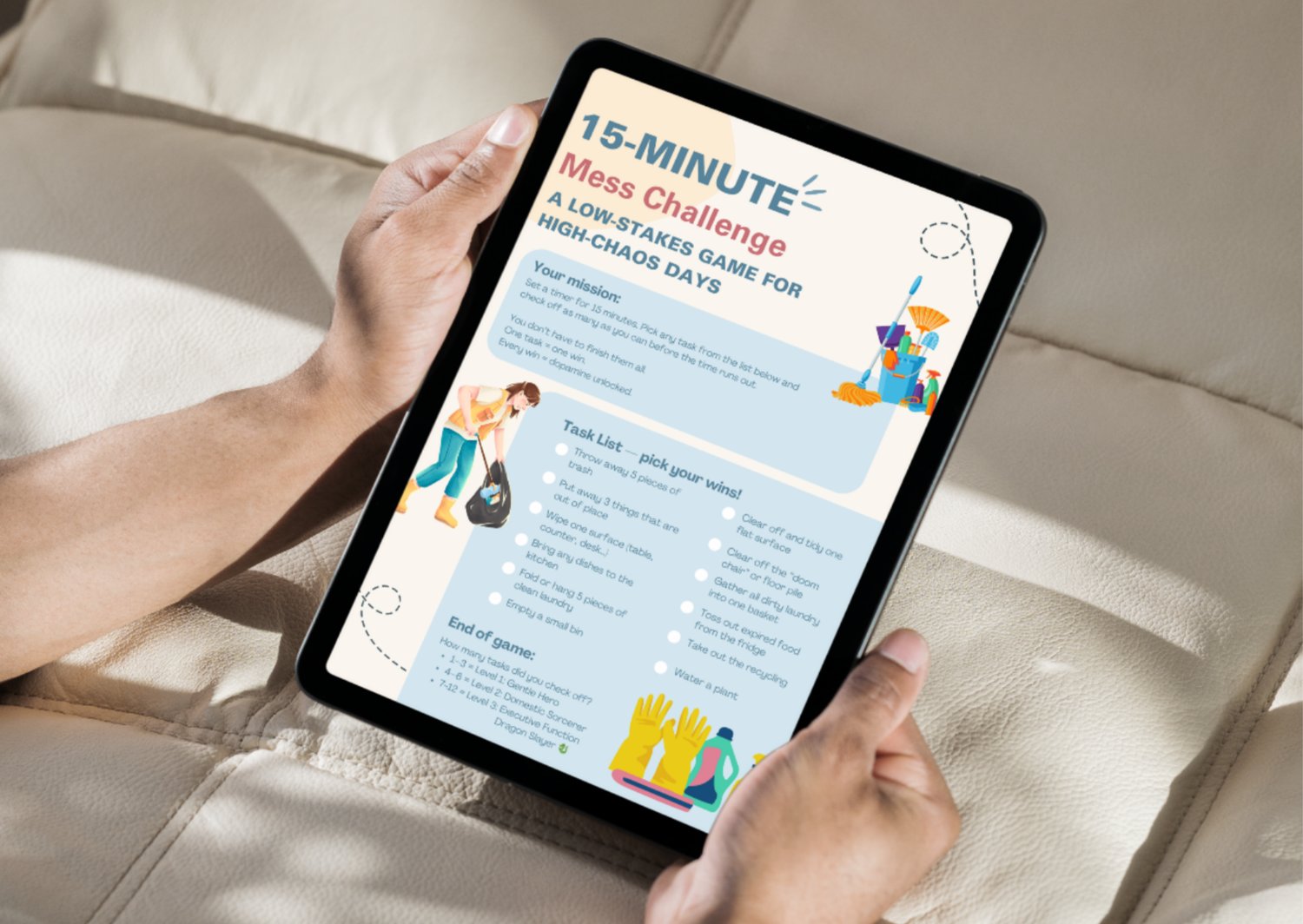
Because reading about strategies is one thing and actually using them is another, the ebook also includes 8 ready-to-use tools to help you put things into practice.
They include tools for:
• getting started when your brain refuses to cooperate
• finding motivation when everything feels boring
• tackling household mess in tiny steps
• figuring out what you need when you just know you feel “off”
• getting through bad brain days
• deciding what matters when you have almost no energy
• finding strategies that actually fit the way your brain works
There’s also a Functioning Style Mini Quiz to help you figure out which strategies might be worth trying first.
So, what's the next trick I'll try? So many, I can't decide! I'll have to use some of the bonuses to help me figure that out! :)
Keep what works. Ignore the rest.
This book isn’t here to give you one perfect system that will finally fix your life. (Believe me, I’ve looked. Extensively.)
The problem is that AuDHD brains are annoyingly individual. What works brilliantly for one person may do absolutely nothing for another. So instead of giving you one system to follow, this book gives you lots of things to try.
Some of these ideas may work really well for you. Some won’t. Some will work for a while, and then your brain will suddenly decide it hates them now. That’s fine.
Try things. Keep what helps. Change what almost helps. Drop what doesn’t.
And please don’t worry if your solution looks ridiculous from the outside. If keeping a trash can in every room, eating breakfast for dinner, or letting a cartoon bird tell you to take a shower makes your life easier, then it’s a good solution. You don’t have to learn to do everyday life the “right” way. You just need to find the ways that work for you.